Gas vs. Electric Stove Repairs: What You Need to Know
When your stove stops working, understanding the difference between gas vs electric stove repair can help you figure out whether you're looking at a simple DIY fix or a job for the professionals. Both types of stoves have their quirks, and knowing what you're dealing with is the first step toward getting your kitchen back in working order.
The Basic Differences Between Gas and Electric Stoves
Gas stoves use an ignition system to light burners and heat your food, while electric stoves rely on heating coils or smooth-top elements that warm up through electricity. This fundamental difference means the repair approaches are quite different. Gas stoves have igniters, burner caps, and valve systems that electric models simply don't have. Electric stoves, on the other hand, have heating elements and control boards that gas stoves don't use.
Understanding these mechanical differences matters because it determines what tools you'll need, what safety concerns apply, and honestly, whether you should even attempt a repair yourself. A gas stove problem might involve the ignition system or a clogged burner port, while an electric stove issue could be a faulty heating element or a tripped control panel.
When DIY Works for Either Type
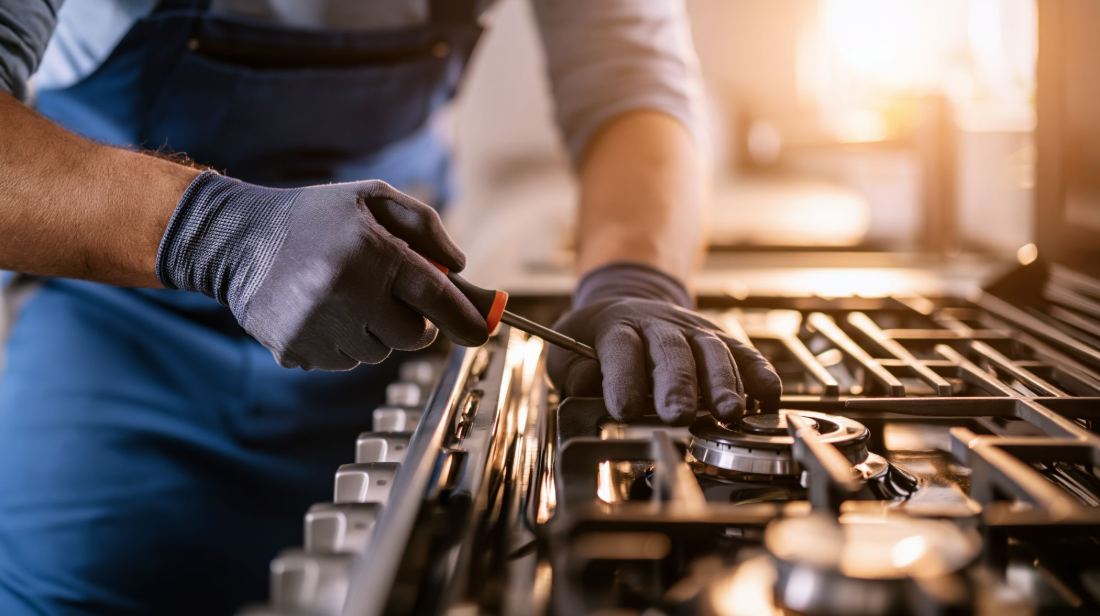
There are definitely some repairs you can tackle yourself without calling for professional help. For gas stoves, cleaning burner ports or replacing burner caps is usually straightforward—these parts are accessible and inexpensive to replace. You can also safely remove and clean the burner grates or lid without specialized tools. For electric stoves, replacing a heating coil is often manageable if you're comfortable disconnecting parts and following manufacturer instructions.
The key is staying within the bounds of what's safe and non-invasive. If you're handy with basic tools and can follow instructions carefully, these kinds of maintenance tasks can save you money. Just make sure you unplug the stove or turn off the breaker before touching anything.
When You Really Need a Professional for Stove Repair
Here's where honesty matters: some stove problems require professional expertise. For gas stoves, anything involving the gas line, regulator, or safety valve should always go to a pro. Gas leaks are dangerous, and you shouldn't risk it. Similarly, if your ignition system isn't working and it's not just a dirty burner cap, that's a job for someone trained to diagnose and repair ignition components safely.
With electric stoves, problems with the control board, heating element wiring, or any issue that requires working inside the stove cabinet definitely calls for professional help. You could damage the unit further or create an electrical hazard. If you're dealing with a broken heating coil but you're unsure how to safely disconnect or replace it, that's also a good time to call in an expert. Our team at oven repair in Crowley, TX has the diagnostic tools and experience to pinpoint exactly what's wrong and fix it correctly the first time.
Safety Considerations for Both Types
This deserves its own section because safety is non-negotiable. Gas stoves carry the risk of gas exposure, which can be serious. Any repair that gets near the gas line or involves the combustion system should be left to trained technicians. Electric stoves present electrical hazards—even when unplugged, some components can hold electrical charge.
If you're unsure whether a repair is safe, that's your answer: it probably isn't. When in doubt, call a professional. It's not worth the risk to your home or your family.
A: Yes, if you're just replacing the burner cap or grate. But if the burner won't ignite or produce flame, don't attempt repairs involving the ignition system or gas valves.
A: A burnt-out heating coil is often replaceable by homeowners who are mechanically confident, but always unplug the stove first and follow the manufacturer's manual.
A: You'll smell rotten eggs (utilities add this scent for safety). If you suspect a leak, turn off the stove, leave your home, and call your gas company immediately. Don't attempt repairs yourself.
A: This could be a failing heating element, a burner that's not making full contact, or a control board issue. Professional diagnosis is the best approach here.
Ready for help? Whether you're dealing with a stubborn ignition system or a heating element that's seen better days, contact Appliance Services of Crowley today for reliable, honest stove repair service in the Crowley area.